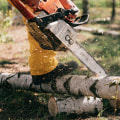
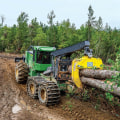
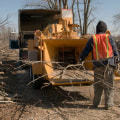
Forestry equipment plays a vital role in preparing land for residential, commercial, and infrastructure projects. Before foundations are poured or structural frameworks are erected, construction sites often require clearing trees, removing stumps, grading uneven terrain, and managing vegetation to create a stable building environment. Modern forestry equipment allows these tasks to be completed efficiently while minimizing unnecessary disturbance to the surrounding landscape. When land preparation is performed thoughtfully, structural engineers can work with more accurate site conditions, making it easier to develop safe, durable, and cost-effective structural designs. Properly managed forestry operations establish the groundwork for successful construction by helping ensure that the land is suitable for the loads and demands the finished structure will eventually place upon it.
Supporting Accurate Structural Assessments
Structural engineers rely heavily on site evaluations to determine how buildings should be supported. Soil characteristics, existing vegetation, drainage patterns, and terrain all influence foundation design and structural recommendations. Poorly executed clearing operations can unintentionally alter these conditions by creating excessive soil disturbance, damaging natural drainage paths, or leaving hidden debris beneath the surface. Well-planned forestry equipment operations, however, allow vegetation to be removed systematically while preserving the integrity of the underlying ground. This enables engineers to conduct more reliable geotechnical assessments and accurately evaluate the site's load-bearing capacity. With cleaner and more predictable site conditions, structural calculations become more precise, reducing the likelihood of unexpected complications during construction.
Improving Construction Efficiency Through Site Preparation
Efficient forestry equipment operations contribute significantly to smoother construction timelines. When trees, brush, and obstacles are removed according to a coordinated site plan, contractors gain easier access for excavation equipment, concrete delivery, framing crews, and heavy machinery. This improved accessibility reduces delays and minimizes the need for repeated site adjustments that can interrupt construction schedules. Structural professionals also benefit because foundation layouts, utility locations, and grading plans can be implemented with fewer conflicts. Organizations such as Open Concept Engineering recognize that successful structural planning often begins long before construction starts, with proper site preparation serving as a critical first step in creating stable and efficient building environments.
Protecting Long-Term Structural Performance
The relationship between forestry operations and structural engineering extends well beyond initial site clearing. Trees located too close to buildings may contribute to future foundation movement through root growth, moisture competition, or falling limbs during severe weather events. Likewise, improperly removed stumps or buried organic material can decompose over time, leading to uneven settlement beneath slabs, driveways, or other structural elements. Careful forestry equipment operations help eliminate these long-term risks by removing vegetation responsibly and preparing the site according to the project's structural requirements. Preserving appropriate vegetation where beneficial while eliminating potential hazards creates a healthier balance between the natural environment and the built structure. This thoughtful approach helps protect buildings from preventable maintenance issues while supporting long-term stability.
Encouraging Environmental Responsibility
Modern forestry equipment operations increasingly emphasize sustainable land management practices that benefit both construction projects and the surrounding ecosystem. Selective clearing, erosion control measures, and careful equipment operation help reduce environmental impacts while maintaining the site's structural suitability. Responsible land preparation protects nearby waterways, minimizes unnecessary soil compaction, and preserves valuable vegetation whenever possible. These environmental considerations align well with structural engineering goals because healthy soil conditions and effective drainage contribute directly to stronger, longer-lasting foundations. Sustainable site preparation demonstrates that construction efficiency and environmental stewardship can successfully coexist when projects are carefully planned from the beginning.
Building Stronger Projects From the Ground Up
Forestry equipment operations may appear separate from structural engineering at first glance, but they play an essential role in creating safe and durable construction projects. Proper land clearing, vegetation management, and site preparation provide structural engineers with accurate site conditions that support better design decisions and more reliable construction outcomes. By reducing site uncertainty, improving accessibility, protecting soil quality, and minimizing future structural risks, well-planned forestry operations contribute directly to the overall success of a building project. When land preparation and structural planning work together, property owners benefit from stronger foundations, more efficient construction processes, and buildings designed to perform reliably for generations.