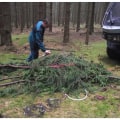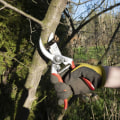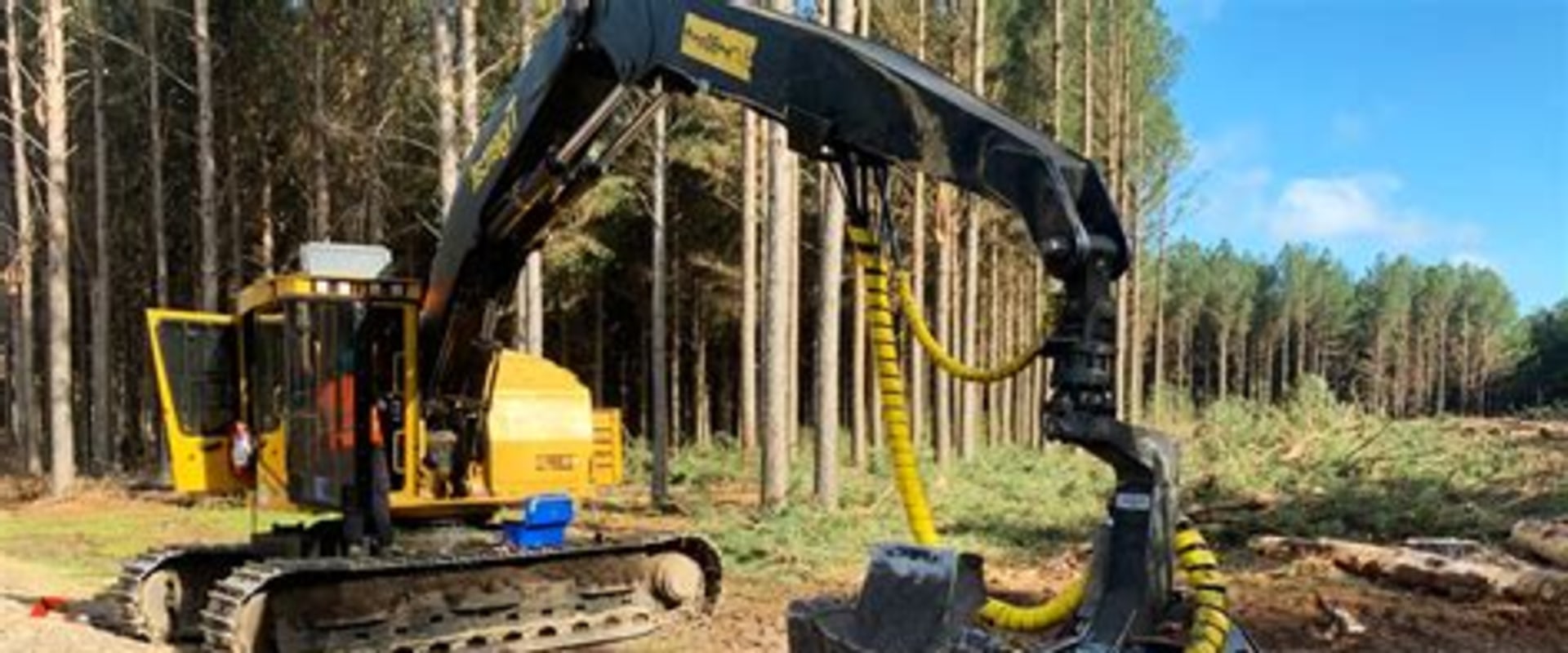
Forestry projects often involve clearing land, removing trees, and managing dense vegetation, all of which require the use of heavy-duty equipment. While these operations are effective for improving land usability, they present unique challenges when underground wiring is present. Electrical lines, communication cables, and irrigation systems are often buried beneath the surface, making them vulnerable to accidental damage during excavation or mulching. Without proper planning, even routine forestry work can disrupt essential services or create safety hazards. Understanding these risks is the first step toward ensuring that forestry operations are conducted safely and efficiently.
Selecting the Right Equipment for Sensitive Areas
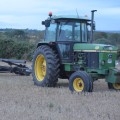
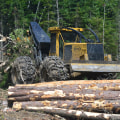
Choosing appropriate forestry equipment is critical when working in areas with underground wiring. Heavy machinery with deep cutting capabilities can easily penetrate the soil and damage buried lines if not carefully managed. In such cases, operators may opt for lighter or more precise equipment that allows for controlled clearing without excessive ground disturbance. Adjusting cutting depths and using specialized attachments can further reduce the risk of contact with underground systems. Consulting professionals, including trusted providers like Berkeys Plumbing A/C & Electrical, can help identify safe practices and ensure that equipment selection aligns with the specific conditions of the project site.
Mapping and Marking Underground Utilities
Before any forestry work begins, it is essential to accurately locate and mark all underground utilities. This process typically involves reviewing site plans, using detection tools, and coordinating with local utility providers. Clearly marking these areas helps operators avoid high-risk zones and plan their work accordingly. In some situations, manual clearing methods may be required near sensitive areas to ensure maximum safety. Taking the time to map and mark utilities not only protects infrastructure but also prevents costly delays and repairs.
Managing Soil Disturbance and Post-Project Stability
Soil management is another important consideration when working around underground wiring. Excessive disturbance can shift or expose buried lines, increasing the risk of damage over time. Maintaining a controlled approach to clearing and leaving a protective layer of mulch can help stabilize the soil and reduce erosion. After the project is completed, regular monitoring ensures that the ground remains stable and that no wiring has been compromised. Proper soil management supports both the integrity of underground systems and the long-term success of the forestry project.
Long-Term Benefits of Careful Planning and Execution
Taking a cautious and well-planned approach to forestry equipment use in areas with underground wiring offers significant long-term benefits. By protecting critical infrastructure, property owners can avoid service disruptions, reduce repair costs, and maintain a safe environment. Additionally, careful execution ensures that the landscape remains functional and visually appealing without compromising essential systems. Over time, integrating safety considerations into forestry operations creates a more resilient property where natural and technical elements coexist effectively. Ultimately, thoughtful planning and responsible equipment use are key to achieving successful outcomes in projects involving underground wiring.