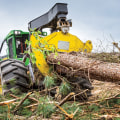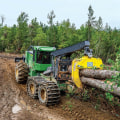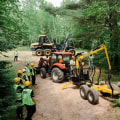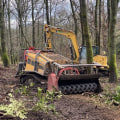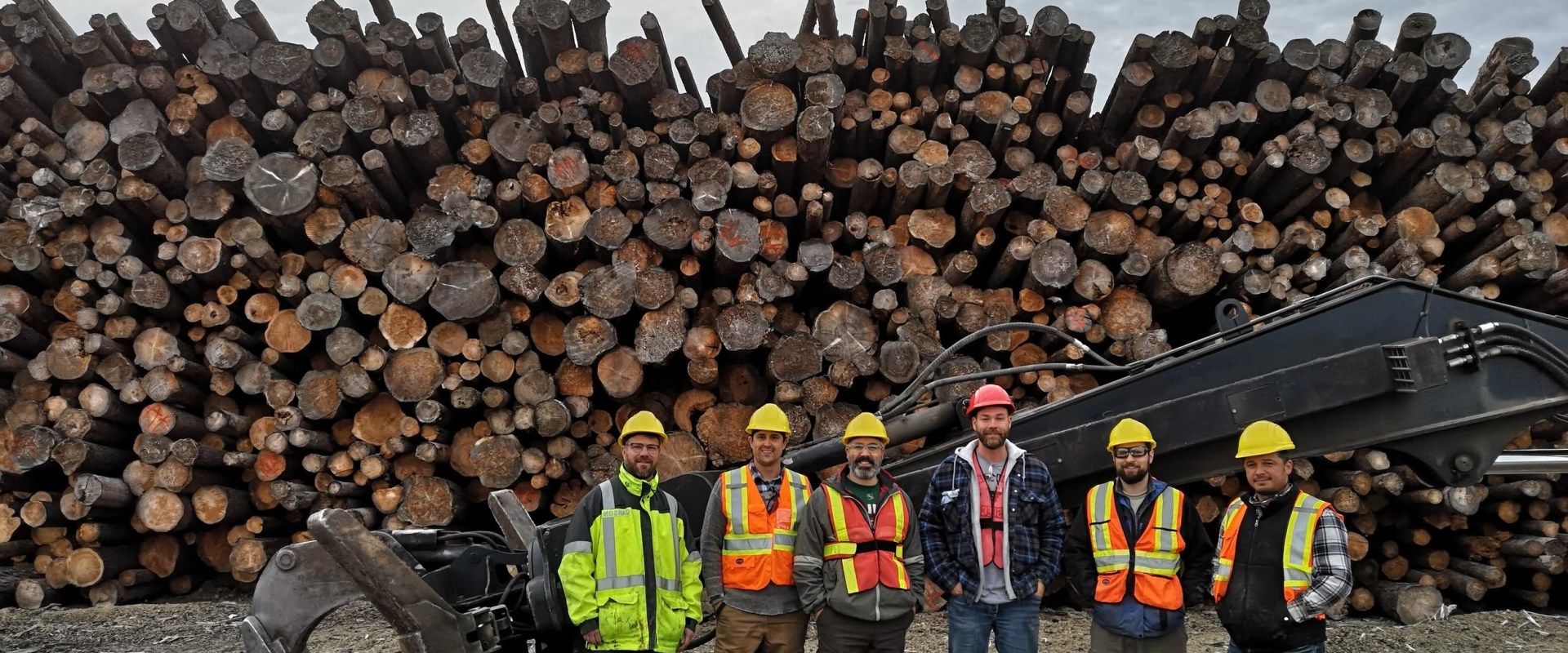
Forestry operations often involve the use of heavy equipment, utility vehicles, trailers, loaders, stump grinders, wood chippers, and other specialized machinery that must move safely across outdoor properties on a regular basis. While much attention is typically placed on the equipment itself and operator training, the condition of exterior property surfaces also plays a major role in maintaining safe and efficient operations. Uneven driveways, cracked pavement, unstable loading areas, and poor drainage can create hazards that increase the risk of accidents, equipment damage, and delays during forestry-related work. Whether equipment is being transported between worksites or operated directly on private and commercial properties, stable exterior surfaces help reduce operational risks and improve overall site accessibility. Forestry professionals frequently recognize that maintaining outdoor surfaces is not only important for appearance but also for creating safer conditions for both workers and machinery.
Stable Surfaces Help Prevent Equipment Damage
Forestry equipment is often large, heavy, and expensive to maintain, making stable outdoor surfaces especially important during transportation and daily operations. Cracked concrete, potholes, shifting pavement, and uneven access points can place excessive strain on tires, suspension systems, hydraulic components, and trailers carrying heavy machinery. Repeated exposure to rough or unstable surfaces may lead to premature equipment wear and increase maintenance costs over time. In some cases, poorly maintained loading zones or driveways may even create tipping hazards when moving equipment with uneven weight distribution. Forestry crews often rely on outdoor spaces to stage logs, transport materials, and maneuver large vehicles safely, so surface stability becomes a critical factor in operational efficiency. Property owners who invest in exterior improvements help create safer access routes and reduce the likelihood of unexpected disruptions during forestry work.
Drainage Improvements Support Safer Operations
Proper drainage is another major reason exterior property improvements contribute to safer forestry equipment operations. Water accumulation around loading areas, access roads, or paved surfaces can create slippery conditions, soft ground, and erosion problems that make maneuvering heavy machinery more difficult. Muddy or water-damaged surfaces may reduce traction for trucks and utility vehicles, especially during wet seasons or after storms. Companies specializing in concrete repair and outdoor restoration, including Concrete Revival, often help property owners improve drainage and stabilize surfaces that regularly experience heavy equipment traffic. By correcting grading problems and restoring damaged pavement, outdoor workspaces become safer and more reliable for forestry crews throughout the year. Proper drainage also helps protect nearby landscaping and prevents water from weakening soil beneath concrete surfaces, reducing the risk of shifting or sinking pavement that could create long-term safety concerns.
Well-Maintained Properties Improve Workflow and Efficiency
In addition to improving safety, exterior property upgrades can make forestry operations more efficient overall. Smooth and properly maintained access points allow equipment to move more quickly between work areas without unnecessary obstacles or delays. Workers can load and unload machinery more safely, and vehicles transporting logs or forestry tools can navigate the property with less risk of getting stuck or damaged. Clear pathways and stable outdoor surfaces also help reduce dust, debris, and standing water that may interfere with visibility or daily operations. Forestry professionals frequently work in environments where timing and coordination are essential, especially during large-scale property clearing, tree removal, or storm cleanup projects. Exterior property improvements help support these operations by creating dependable spaces for equipment movement and staging.
Long-Term Surface Maintenance Supports Safer Work Environments
Property owners who regularly maintain outdoor surfaces often experience fewer safety issues and lower repair costs over time. Routine inspections of driveways, loading zones, sidewalks, and work areas can help identify early signs of cracking, drainage issues, or surface deterioration before they become serious hazards. Combining exterior maintenance with responsible forestry practices creates safer conditions for workers, protects valuable equipment, and improves the overall functionality of the property. By investing in surface improvements and long-term maintenance, property owners can better support safe and efficient forestry equipment operations while preserving the durability and appearance of their outdoor spaces.