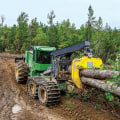
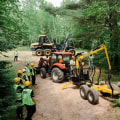
Coordinating forestry equipment use with seasonal pressure washing services is an effective strategy for maintaining a clean, functional, and visually appealing property year-round. Outdoor spaces often face changing conditions throughout the seasons, from overgrown vegetation in warmer months to debris buildup after storms or leaf fall. Forestry equipment, such as brush cutters, mulchers, and chainsaws, plays a key role in managing natural growth, while pressure washing focuses on restoring the cleanliness of hard surfaces. By aligning these services with seasonal needs, homeowners can create a more efficient and consistent maintenance routine.
Using Forestry Equipment for Seasonal Landscape Control
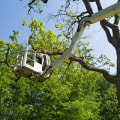
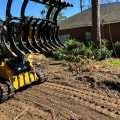
Forestry equipment is particularly valuable for managing vegetation that can quickly become unmanageable if left unattended. In spring and summer, rapid growth may require trimming, clearing, or mulching to keep the landscape in check. During fall, equipment can be used to handle fallen branches, leaves, and other organic debris that accumulate across the property. Winter preparation may involve clearing dead or weakened trees to prevent damage from snow or storms. Proper use of forestry tools ensures that outdoor areas remain accessible and safe, while also preparing the property for the next phase of maintenance.
Integrating Pressure Washing for Surface Restoration
While forestry equipment addresses natural elements, pressure washing is essential for maintaining the cleanliness of built surfaces. Seasonal changes often leave behind dirt, algae, and stains on driveways, patios, fences, and siding. Incorporating a pressure washing service into your maintenance plan helps remove these contaminants and restore surfaces to their original condition. Scheduling pressure washing after major vegetation clearing is particularly effective, as it allows for a thorough cleanup of any residue left behind. This combination ensures that both natural and structural elements of the property are properly maintained.
Enhancing Efficiency Through Coordination
Coordinating forestry work with pressure washing services improves overall efficiency and reduces redundant efforts. For example, clearing overgrown areas before pressure washing prevents debris from re-accumulating on freshly cleaned surfaces. Similarly, scheduling both services within the same timeframe minimizes disruptions and ensures that all areas of the property are addressed in a cohesive manner. Clear planning and communication help homeowners make the most of each service, saving time and effort while achieving better results.
Long-Term Benefits of a Combined Approach
Adopting a coordinated approach to forestry equipment use and pressure washing offers long-term benefits for property maintenance. Regular vegetation control reduces the risk of overgrowth, pest infestations, and structural damage, while clean surfaces are less prone to deterioration and staining. This integrated strategy enhances curb appeal, improves safety, and extends the lifespan of both natural and built features. By aligning these services with seasonal needs, homeowners can maintain a balanced and well-kept outdoor space that remains attractive and functional throughout the year.