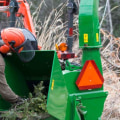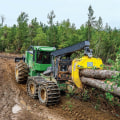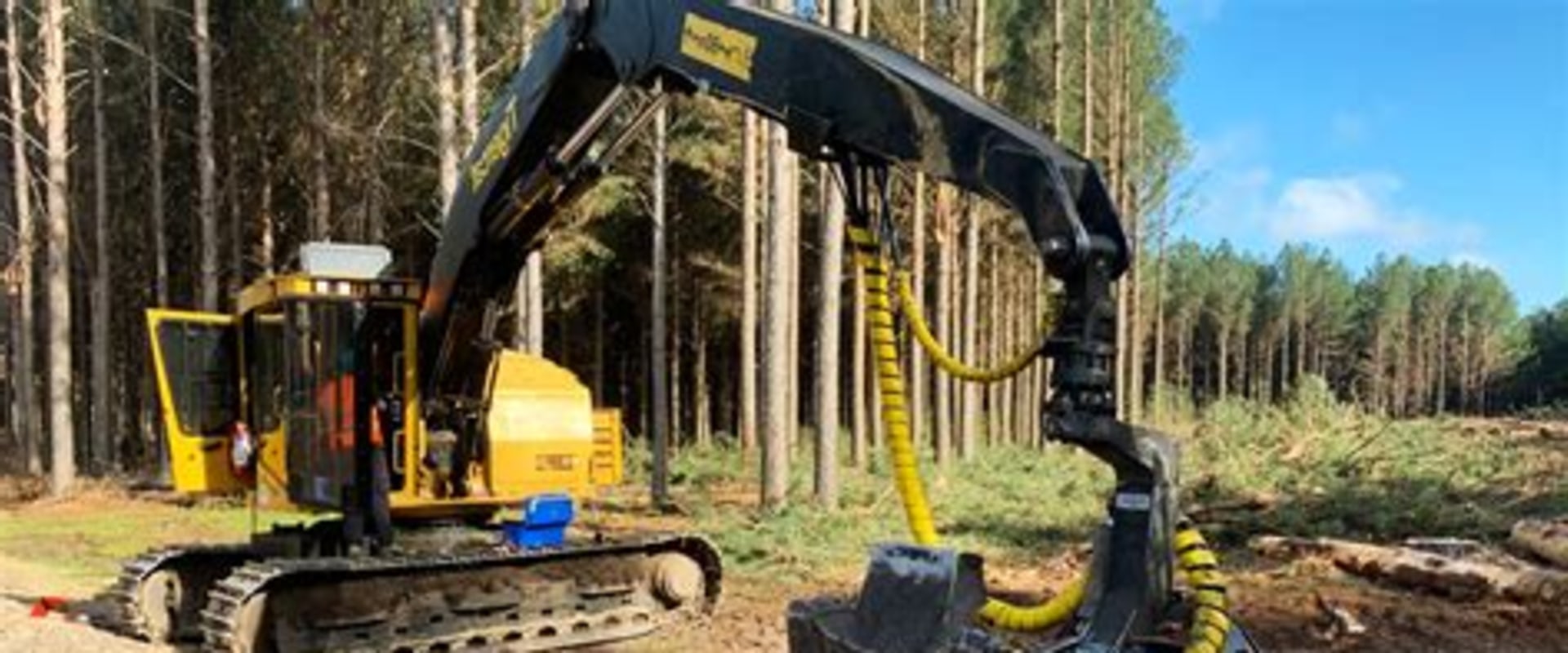
Forestry equipment is typically associated with land clearing, vegetation management, and large-scale landscaping, but its role in supporting modern plumbing systems is often overlooked. As residential and commercial developments expand into previously wooded areas, the need to manage trees and root systems becomes essential for protecting underground infrastructure. Forestry equipment such as mulchers, stump grinders, and excavators helps prepare land in a way that minimizes risks to buried pipes, drainage systems, and water lines. By carefully managing vegetation and soil conditions, these tools contribute to a stable environment where plumbing systems can function efficiently without interference from invasive roots or shifting ground.
Preventing Root Intrusion with Advanced Equipment
One of the primary threats to plumbing systems in heavily vegetated areas is root intrusion. Tree roots naturally seek out moisture, making pipes and sewer lines attractive targets. Forestry equipment plays a critical role in preventing this issue by removing problematic vegetation and grinding stumps that could otherwise develop extensive root systems. Mulching equipment, in particular, breaks down organic material into a protective layer that stabilizes soil and discourages aggressive root growth near sensitive areas. This proactive approach reduces the likelihood of blockages, leaks, and pipe damage, ensuring that plumbing systems remain intact over time.
Enhancing Soil Stability and Drainage
Proper soil management is another way forestry equipment complements modern plumbing systems. Excavators and grading tools are used to shape the land, creating slopes and drainage pathways that direct water away from critical infrastructure. This prevents water from pooling around pipes, which can lead to corrosion, pressure buildup, and eventual system failure. Additionally, mulching improves soil composition by retaining moisture evenly and reducing erosion. These benefits create a balanced environment where both vegetation and plumbing systems can coexist without causing harm to one another.
Coordinating Land Management with Plumbing Services
Effective property maintenance often involves collaboration between forestry professionals and plumbing experts. For instance, property owners working with services like Abacus Plumbing in Sugar Land may also benefit from coordinating forestry work to address potential root-related issues before they impact plumbing performance. By aligning these efforts, it becomes easier to identify vulnerabilities, such as areas where roots are encroaching on pipes or where soil conditions may lead to drainage problems. This coordinated approach ensures that both surface and subsurface systems are maintained efficiently, reducing the risk of unexpected repairs and improving overall property functionality.
Long-Term Benefits of Integrated Solutions
Integrating forestry equipment solutions with modern plumbing systems offers significant long-term advantages. By preventing root intrusion, improving soil stability, and enhancing drainage, these practices help extend the lifespan of plumbing infrastructure while reducing maintenance costs. At the same time, they support sustainable land management by promoting healthy vegetation growth and minimizing environmental impact. Over time, this balanced approach leads to more resilient properties that can withstand changing conditions without compromising essential systems. Ultimately, the combination of advanced forestry equipment and thoughtful plumbing care creates a harmonious relationship between the natural landscape and built infrastructure, ensuring reliable performance and long-term value.